


 BOOK ONLINE
Buying a used car can feel risky without proper inspection guidance. A professional pre-purchase inspection report acts as your protection against hidden defects. Discovering serious problems after purchasing means expensive repairs and regret. Before signing any paperwork, you must understand the five major deal-breakers that should make you walk away.
Deal-Breaker #1: Structural Damage and Frame Issues
Structural damage is the most serious problem in any inspection report. Frame damage means the car’s skeleton has been compromised. When a car pre-purchase inspection in Brisbane reveals frame damage, safety becomes a major concern. Such damage affects handling, safety performance, and resale value permanently.
Signs to watch for:
- Mismatched paint on doors or panels
- Uneven panel gaps between body parts
- Welding marks visible on frame areas
- Previous collision repairs documented
This is not a cosmetic issue – it’s a safety hazard. Walk away immediately.
Deal-Breaker #2: Water Damage and Flood Ingress
Water damage ruins vehicles from the inside out. Moisture causes rust, electrical failures, and mould growth. Technicians performing pre-purchase car inspection in Kuraby use moisture metres to detect hidden water problems. You cannot see water damage without professional diagnostic equipment. Getting a pre-purchase car inspection in Kuraby early protects your purchase investment completely.
Red flags in inspection reports:
- Moisture found in door panels
- Corrosion inside the engine bay
- Musty odours described in the report
- Rust staining on interior metal components
Electronics fail after water exposure, costing thousands to repair. Reject any vehicle with confirmed water damage.
Deal-Breaker #3: Major Engine Problems and Excessive Leaks
The engine is your car’s heart and the costliest component. Engine rebuilds can exceed vehicle value itself. When a pre-purchase vehicle inspection in Marsden reveals major oil leaks or damage, repair costs become astronomical. Engine diagnostics reveal problems invisible to the naked eye. A pre-purchase vehicle inspection in Marsden can catch engine damage before you commit financially.
Critical engine red flags:
- Oil leaks from multiple locations
- White smoke or excessive smoke observed
- Knocking sounds during engine testing
- High mileage combined with poor maintenance
Engine problems mean thousands in repair costs ahead. Never ignore these warnings in reports.
Deal-Breaker #4: Transmission and Gearbox Failures
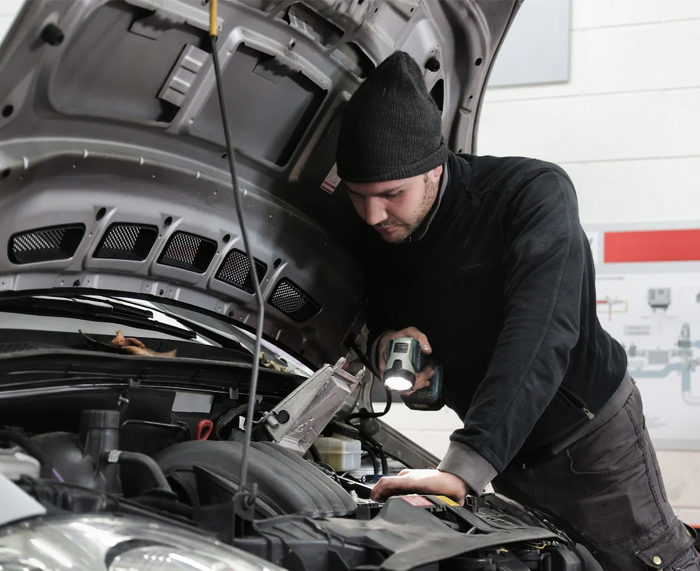
Transmission repairs rival engine costs in expense and complexity. Gearbox problems include slipping, grinding, or delayed shifting. Specialists in mobile pre-purchase car inspection in Logan Central test transmission performance during road assessments. Transmission fluid colour and smell reveal health status quickly. Booking a mobile pre-purchase car inspection in Logan Central ensures comprehensive transmission assessment before purchase.
Transmission warning signs:
- Grinding noises during gear changes
- Delayed response when shifting gears
- Fluid leaks beneath the vehicle
- Burning smell during test drive
Transmission failure means your car stops moving reliably. This is not a repair you can delay safely.
Deal-Breaker #5: Severe Rust and Corrosion Damage
Rust destroys structural integrity and spreads rapidly over time. Corrosion weakens the metal that holds your car together. A car pre-purchase inspection in Brisbane finding structural corrosion means serious future problems. Salt exposure and moisture create rust that deteriorates continuously.
Corrosion damage indicators:
- Rust bubbling through paint surfaces
- Holes appearing in floor panels
- Corrosion visible on suspension components
- Rust staining on rocker panels
Severe rust compromises safety and causes exponential damage costs.
Critical Inspection Components You Should Know
- Engine Bay Inspection: Oil colour, fluid levels, leak assessment
- Underbody Assessment: Structural integrity and corrosion evaluation
- Electrical Systems Testing: Dashboard lights and electronic function
- Braking Performance: Pad thickness, rotor condition, fluid status
- Suspension Check: Shock absorber wear and alignment issues
Professional inspectors use diagnostic scanning equipment to reveal hidden faults. This technology detects problems your eyes cannot see.
What Happens When You Ignore Deal-Breakers?
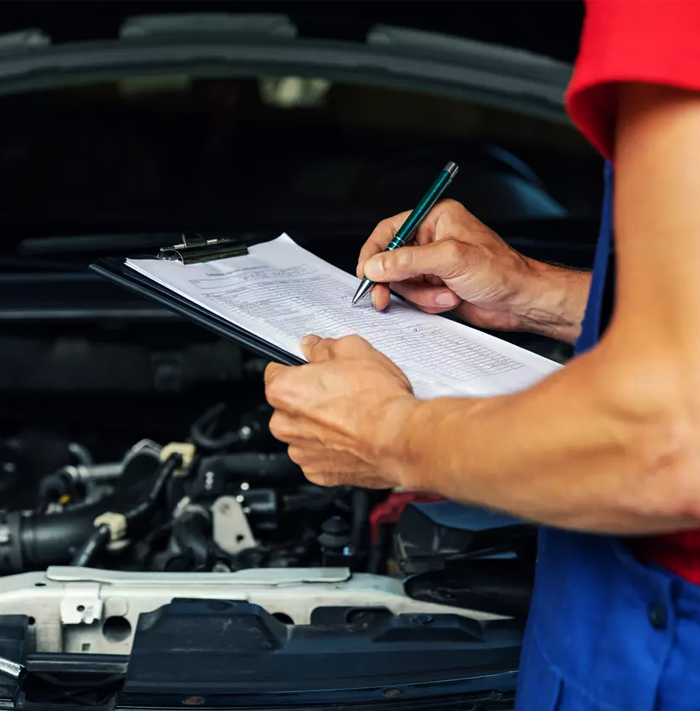
Ignoring red flags leads to expensive repairs. Safety concerns put you and passengers at serious risk. Resale value drops dramatically when problems surface. Insurance claims may be denied if pre-existing damage exists. Your investment becomes a financial burden instead of transportation.
Conclusion
Understanding these five deal-breakers protects your investment completely. A thorough pre-purchase vehicle inspection from qualified professionals saves money long-term. Don’t rush through inspections – take time reviewing detailed reports carefully. Your safety and wallet depend on honest assessment and walking away from problematic vehicles.
Get a professional inspection before purchasing any used vehicle. Contact Autoprime Mobile Roadworthys today for comprehensive assessments. Call 0405 228 111 or email autoprimerwc@gmail.com now. Visit https://autoprimerwc.com.au/ for detailed information about all inspection services available.
Frequently Asked Questions
- What is the difference between a Roadworthy Certificate (Safety Certificate / RWC) and a pre-purchase inspection?
A Roadworthy Certificate (also called a Safety Certificate or RWC in Queensland) is a basic legal safety check required for vehicle sale or transfer. A pre-purchase inspection is a voluntary, far more comprehensive assessment that covers the engine, transmission, suspension, hidden damage, leaks, and overall mechanical condition.
- How much does a pre-purchase vehicle inspection typically cost?
Professional inspections range from $150-$300, depending on vehicle type and inspection depth required.
- Can I perform my own pre-purchase inspection?
DIY inspections can identify obvious issues, but professional diagnostic equipment detects hidden mechanical problems you’ll miss completely.
- How long does a complete pre-purchase inspection take?
Most thorough inspections require 1-2 hours, including a test drive, diagnostic scanning, and detailed reporting.
- What should I do if the inspection report lists minor issues?
Minor issues like worn wiper blades are normal maintenance items; negotiate repairs or price reduction accordingly.
- Are frame repairs ever acceptable after inspection?
Professional frame repairs can be acceptable if properly documented and certified, but major damage requires specialist assessment.
- How can I verify if a vehicle was previously flood damaged?
Professional inspectors use moisture detection equipment and check for rust staining, corrosion patterns, and electrical issues systematically.
- What does “engine knock” indicate in inspection reports?
Engine knock suggests internal damage or poor fuel quality issues affecting engine reliability and performance significantly.
- Should I buy a vehicle if transmission fluid smells burnt?
No, burnt transmission fluid indicates overheating and impending failure; this is a definite deal-breaker for purchase.
- How do I request a detailed inspection report?
Ask your inspector for a comprehensive written report including photos, diagnostic codes, and recommendations before agreeing to purchase.

